
QA/QC Inspections: Catching Defects Before They Become Defect Claims
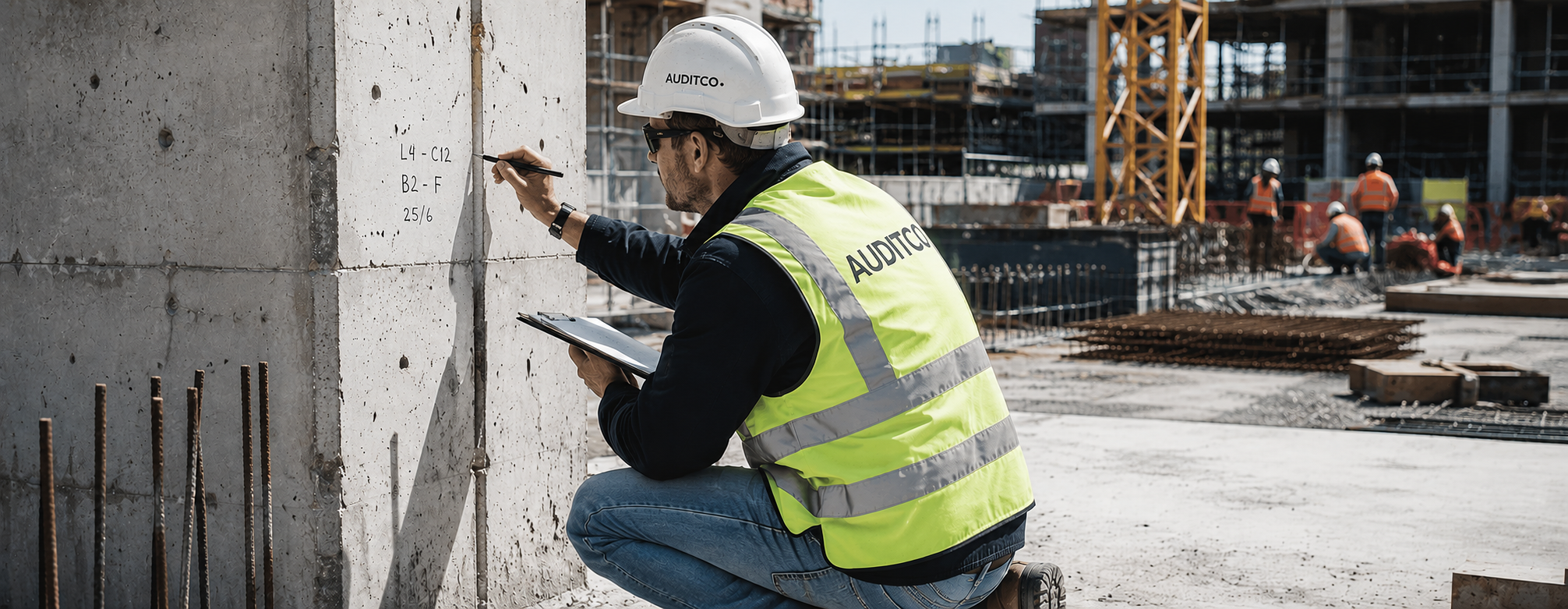
The most expensive defect in construction is always the one you discover after handover. By that point, rectification costs have multiplied, your client’s patience has expired, and the reputational damage is already done. Quality assurance and quality control inspections exist precisely to prevent this, to find problems when they are still cheap to fix, not when they have become claims.
The terms are often used interchangeably, but QA and QC describe different activities. Quality assurance is systematic, it focuses on the processes and management systems in place to ensure that work is being done correctly. Quality control is operational, it involves the physical inspection of work, materials, and installations at defined stages to verify that they meet specification. Both are necessary. Neither alone is sufficient.
Where Construction QC Most Often Fails
The most common failure mode in construction QC is not the absence of a process, it is the inconsistency of its application. Inspections get skipped when the program is tight. Materials get installed before they have been checked. Subcontractors self-certify work that should have had independent verification. Hold points that exist on paper are bypassed without sign-off.
The second failure mode is timing. QC inspection points are most valuable at stage transitions, before a pour, before an element is covered over, before commissioning. Once concrete is placed over non-conforming work, the cost of rectification increases dramatically. Once a defect is tiled over, it becomes a claim.
The Independent Inspection Advantage
Internal QC by site teams has obvious limitations, the same people responsible for delivering on program and budget are also being asked to objectively assess quality. The pressure to progress, particularly on fixed-price contracts, creates a structural incentive to minimise findings. Independent inspections remove this conflict. An independent inspector reports what is there, not what would be convenient.
For head contractors managing multiple subcontractor packages, independent QC also creates a documented chain of accountability. When a defect is identified, the inspection record shows exactly what was checked, when, and what was found. This is not a bureaucratic exercise, it is the evidence you need when a subcontractor disputes a defect notice.
What Good Reporting Looks Like
A QC inspection report should be a working document, not a compliance artefact. It should clearly identify non-conformances with enough specificity to allow rectification, reference the relevant specification or standard, assign responsibility, and include a mechanism for close-out verification. Reports that say “works generally comply” are not useful. Reports that say “perimeter flashing at grid C4 does not meet AS 4200: rectification required prior to cladding installation” are.
AuditCo provides QA/QC inspections across residential, commercial, civil, and infrastructure projects. Our inspectors work at the pace of your project and deliver reporting that your team can act on immediately.
Talk to us about building a QC inspection program into your next project from day one.
Learn more about AuditCo’s QA/QC inspection services
Related Posts

Third Party Risk: Why Most Data Breaches Involve a Vendor You Trusted
When a significant data breach hits an Australian organisation, the cause is often traced back…
Subcontractor Compliance: Who’s Responsible When Things Go Wrong?
Pre-qualification tells you what a subcontractor looked like on paper before they started. It says…
WHS Audits in Construction: Culture, Not Just a Checkbox
Every construction business in Australia has WHS obligations. Most have documentation to prove it. Far…