
Noise Management in Urban Data Centre Development
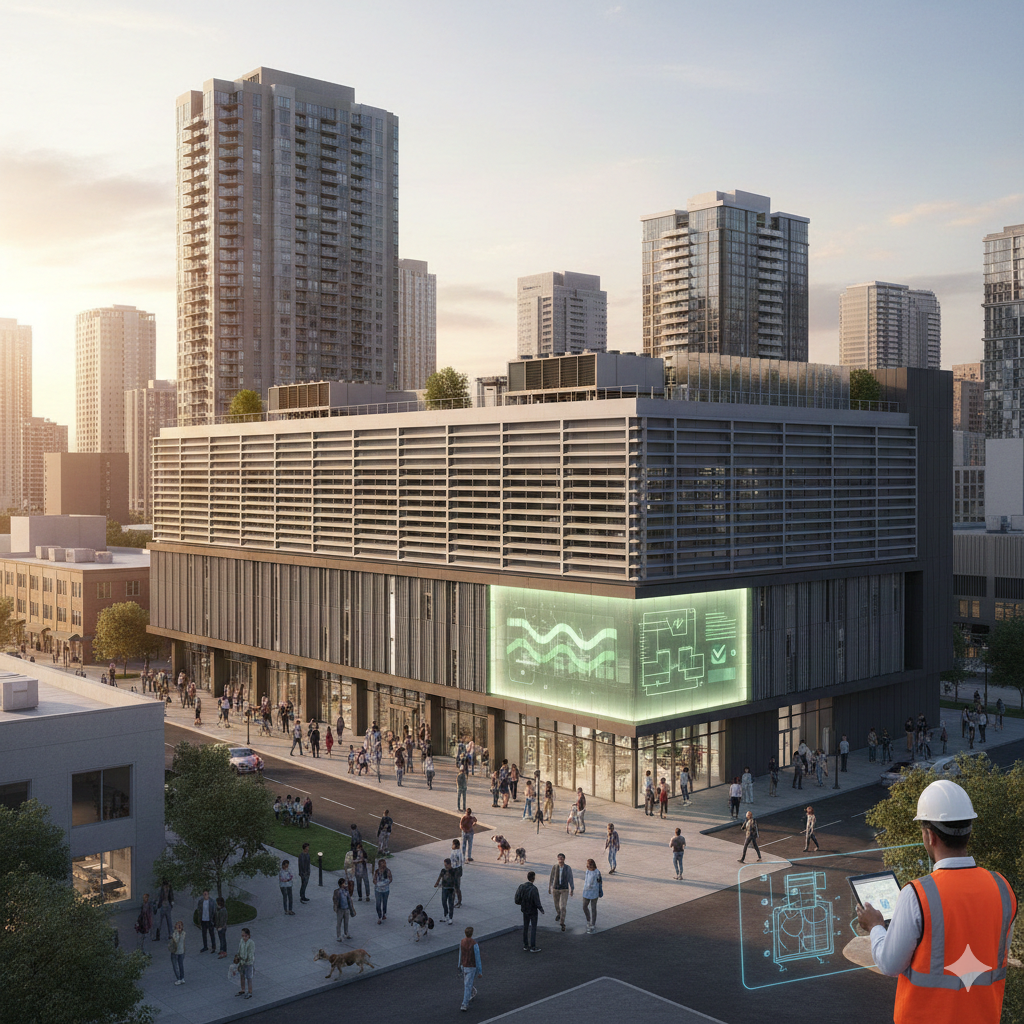
Acoustic Compliance and Community Considerations for Mission-Critical Infrastructure
The increasing demand for data centre capacity within urban environments creates acoustic challenges that extend beyond regulatory compliance into community relations, social licence maintenance, and long-term operational viability. Urban data centre facilities operating within proximity to residential areas, commercial districts, and sensitive receptors must address mechanical equipment noise, emergency generator testing, and operational activities that generate sound levels requiring comprehensive acoustic management throughout facility lifecycle.
Traditional approaches to noise management—implementing basic sound attenuation after community complaints arise—prove inadequate for urban developments where acoustic performance directly influences planning approval, community acceptance, and ongoing operational freedom. Modern urban data centre development demands proactive acoustic design that integrates noise control throughout facility planning, incorporates community engagement, and establishes monitoring systems that demonstrate ongoing compliance whilst maintaining positive community relationships.
At AuditCo, our partnership with Qcloud has enhanced our capability to deliver comprehensive noise management services that address acoustic compliance and community considerations throughout urban data centre development. This collaboration combines our established expertise in regulatory compliance and stakeholder engagement with Qcloud’s deep understanding of data centre acoustic challenges and noise control technologies.
The Strategic Foundation of Acoustic Management
Acoustic management encompasses systematic approaches that address noise generation, propagation control, receptor protection, and regulatory compliance throughout data centre lifecycle. Effective acoustic management balances operational requirements against community expectations whilst ensuring regulatory compliance through integrated design and operational practices.
Acoustic impact assessment establishes comprehensive baseline conditions, identifies sensitive receptors, and predicts facility noise impacts supporting informed design decisions and regulatory approval. Impact assessment includes ambient noise surveys, receptor identification, and predictive modelling that quantify potential acoustic impacts.
Regulatory compliance planning addresses applicable noise regulations including absolute noise limits, relative increase restrictions, and time-of-day variations across multiple jurisdictions. Compliance planning includes requirement identification, standard interpretation, and strategy development that ensure regulatory adherence.
Community engagement strategies proactively address neighbour concerns through transparent communication, impact explanation, and mitigation demonstration building social licence. Community strategies include stakeholder identification, consultation planning, and ongoing dialogue that maintain positive relationships.
Design integration ensures that acoustic considerations influence site layout, equipment selection, and building design from project inception rather than creating retrofit challenges. Design integration includes acoustic criteria establishment, design review, and optimisation coordination that embed noise control throughout development.
Operational planning addresses noise-generating activities including maintenance procedures, testing schedules, and emergency operations ensuring operational compliance. Operational planning includes activity assessment, procedure development, and schedule optimisation that maintain acoustic performance.
Monitoring and verification programmes provide ongoing acoustic performance assessment demonstrating compliance whilst enabling rapid issue detection. Monitoring programmes include measurement protocols, reporting procedures, and corrective action triggers that maintain acoustic standards.
Noise Source Identification and Characterisation
Comprehensive source identification catalogues all facility noise sources including operational equipment, emergency systems, and ancillary facilities enabling targeted noise control strategies. Systematic source characterisation quantifies emissions whilst informing mitigation prioritisation.
Cooling equipment noise assessment evaluates chillers, cooling towers, dry coolers, and air-cooled condensers that represent primary continuous noise sources. Cooling assessment includes sound power measurement, frequency analysis, and directivity characterisation that inform noise control design.
Air handling system evaluation examines fans, air handling units, and ventilation systems including both mechanical noise and aerodynamic sound generation. Air handling evaluation includes equipment selection review, duct acoustics assessment, and discharge characterisation that identify control requirements.
Emergency generator characterisation addresses backup power systems that create high noise levels during testing and emergency operation. Generator characterisation includes engine noise assessment, exhaust system evaluation, and radiator fan analysis that inform comprehensive generator noise control.
Transformer noise assessment evaluates electrical distribution transformers that generate tonal noise through magnetostriction. Transformer assessment includes sound level measurement, frequency analysis, and vibration characterisation that guide transformer noise management.
Pumping system evaluation examines water circulation pumps including mechanical noise and fluid-borne vibration that can transmit through structures. Pump evaluation includes equipment selection review, mounting assessment, and piping vibration analysis that address pump noise contributions.
Loading dock and delivery operations assessment addresses truck movements, loading activities, and material handling that create intermittent noise events. Operations assessment includes activity characterisation, timing evaluation, and procedure review that inform operational noise management.
Building services equipment evaluation examines auxiliary systems including compressors, vacuum pumps, and process equipment contributing to overall facility noise. Services evaluation includes equipment inventory, emission characterisation, and location assessment that complete source identification.
Acoustic Propagation and Path Analysis
Sound propagation modelling predicts noise transmission from sources to receptors considering distance attenuation, barrier effects, and environmental factors. Comprehensive propagation analysis enables effective noise control strategy development whilst supporting regulatory compliance demonstration.
Distance attenuation calculation quantifies sound level reduction with increasing distance from sources according to geometric spreading and atmospheric absorption. Attenuation calculation includes near-field considerations, ground effects, and meteorological influences that affect sound propagation.
Barrier effectiveness analysis evaluates noise reduction from building structures, acoustic barriers, and topographic features intercepting sound propagation. Barrier analysis includes insertion loss calculation, diffraction assessment, and multiple reflection consideration that predict barrier performance.
Building facade transmission assessment evaluates sound penetration through building envelopes including walls, roofs, and openings affecting both facility occupants and external receptors. Transmission assessment includes sound transmission class evaluation, weak point identification, and composite transmission calculation that quantify building acoustics.
Ground surface effects consideration addresses sound reflection, absorption, and interference effects from ground surfaces between sources and receptors. Ground effects include surface characterisation, interference pattern analysis, and seasonal variation consideration that influence propagation predictions.
Atmospheric condition influences account for temperature gradients, wind effects, and humidity variations affecting sound propagation over distance. Atmospheric influences include refraction assessment, turbulence effects, and seasonal variation consideration that address environmental propagation factors.
Reflection and screening analysis evaluates sound reflection from adjacent buildings and screening effectiveness from intervening structures. Reflection analysis includes multiple reflection paths, focus point identification, and screening barrier optimisation that address urban acoustic environment complexity.
Frequency-dependent propagation recognises that different frequencies attenuate differently with distance and interact variably with barriers and buildings. Frequency analysis includes octave band assessment, tonal component evaluation, and low-frequency propagation consideration that address frequency-specific behaviour.
Noise Control Technologies and Mitigation Strategies
Comprehensive noise control integrates multiple strategies including source control, path modification, and receptor protection creating effective acoustic management. Technology selection balances acoustic performance against operational requirements, spatial constraints, and economic considerations.
Equipment enclosures provide comprehensive sound attenuation through acoustically-treated structures surrounding equipment. Enclosure design includes transmission loss specification, ventilation integration, and access provision whilst maintaining equipment performance and maintenance access.
Acoustic louvers enable necessary ventilation airflow whilst attenuating sound transmission through absorptive baffles and labyrinthine paths. Louver design includes acoustic performance specification, pressure drop minimisation, and weather protection integration that balance acoustics with ventilation requirements.
Silencers and attenuators reduce airborne noise in ventilation systems, generator exhausts, and pressure relief systems through absorption and reactive attenuation. Silencer design includes insertion loss specification, pressure drop consideration, and moisture management that achieve acoustic performance.
Vibration isolation prevents structure-borne noise transmission through resilient mounting systems supporting equipment and piping. Isolation design includes natural frequency selection, deflection calculation, and seismic restraint integration that prevent vibration transmission whilst maintaining structural safety.
Acoustic barriers interrupt direct sound propagation paths providing insertion loss through strategic placement between sources and receptors. Barrier design includes height optimisation, surface treatment selection, and structural design that maximise acoustic performance whilst addressing practical constraints.
Building envelope enhancement improves sound transmission loss through construction upgrades including increased mass, cavity absorption, and sealing improvements. Envelope enhancement includes weak point correction, window upgrading, and penetration sealing that reduce building sound transmission.
Active noise control implements destructive interference through speaker systems generating inverse sound waves cancelling specific noise sources. Active control includes system design, microphone placement, and adaptive algorithm implementation where appropriate for specific applications.
Generator Noise Management and Testing Protocols
Emergency generator systems create particular challenges combining high noise levels with regulatory testing requirements and emergency operation unpredictability. Comprehensive generator noise management addresses both routine testing and emergency operation whilst maintaining community relations.
Generator acoustic enclosure design provides comprehensive sound attenuation addressing engine noise, exhaust system, and cooling system emissions. Enclosure design includes transmission loss specification, ventilation provision, and maintenance access whilst achieving substantial noise reduction.
Exhaust system silencing addresses engine exhaust noise through critical-grade silencers and elevated discharge systems. Exhaust silencing includes insertion loss specification, back pressure limitation, and discharge direction optimisation that reduce exhaust noise impacts.
Radiator fan noise control addresses cooling system noise through fan selection, shroud design, and discharge attenuation. Fan control includes low-noise fan specification, variable speed implementation, and acoustic treatment integration that minimise cooling system noise.
Intake air system treatment attenuates combustion air noise through inlet silencers and filtered air intake systems. Intake treatment includes filter integration, silencer design, and low-pressure-drop optimisation that reduce intake noise whilst maintaining engine performance.
Testing schedule optimisation balances regulatory requirements against community impact through strategic timing and notification procedures. Testing optimisation includes time-of-day selection, duration minimisation, and advance notification that reduce community disruption.
Load bank testing coordination addresses supplementary noise from portable load banks during generator capacity testing. Testing coordination includes equipment selection, location planning, and temporary attenuation provision that minimise testing impacts.
Emergency operation protocols establish procedures for unscheduled generator operation including community notification and extended-run management. Emergency protocols include communication procedures, monitoring requirements, and community liaison that address emergency operation impacts.
Cooling Tower and Heat Rejection System Acoustics
Cooling towers and heat rejection systems create continuous noise combining mechanical equipment with water fall sound requiring comprehensive acoustic management. Cooling system noise control addresses both tonal mechanical components and broadband water noise.
Cooling tower fan noise control addresses primary mechanical noise source through low-noise fan selection, variable speed implementation, and discharge attenuation. Fan control includes blade design selection, tip speed limitation, and acoustic shroud integration that reduce fan noise generation.
Water fall noise management addresses cascade sound from water distribution systems through drop height reduction, distribution improvement, and splash attenuation. Fall noise management includes fill selection, distribution optimisation, and basin treatment that reduce water noise.
Cooling tower enclosure design provides comprehensive sound attenuation through barrier walls, acoustic louvers, and absorptive treatment. Enclosure design includes barrier height optimisation, louver integration, and maintenance access provision that achieve acoustic performance whilst supporting operational requirements.
Pump noise control addresses circulation pumps serving cooling towers through equipment selection, vibration isolation, and enclosure provision. Pump control includes low-noise equipment specification, isolation system design, and location optimisation that minimise pump noise contributions.
Location optimisation strategically positions cooling systems maximising distance from sensitive receptors whilst utilising building screening. Location optimisation includes site layout planning, screening utilisation, and orientation consideration that leverage distance attenuation.
Variable speed operation enables cooling capacity modulation whilst reducing noise during partial load conditions. Variable speed implementation includes control optimisation, part-load operation preference, and acoustic benefit quantification that reduce average noise emissions.
Dry cooler alternatives eliminate water noise whilst managing mechanical noise through fan control and location strategies. Dry cooler implementation includes technology comparison, acoustic assessment, and integration planning that address heat rejection whilst managing noise.
Community Engagement and Stakeholder Communication
Proactive community engagement establishes positive relationships whilst addressing concerns transparently creating social licence for facility operation. Comprehensive engagement strategies extend beyond regulatory minimums demonstrating corporate responsibility.
Pre-development consultation engages community stakeholders before planning submission explaining facility requirements, acoustic impacts, and mitigation measures. Pre-consultation includes community meetings, impact explanation, and feedback incorporation that build community understanding.
Planning process participation supports regulatory approval through community liaison, objection response, and mitigation demonstration. Planning participation includes submission preparation, consultation attendance, and condition negotiation that facilitate approval whilst addressing concerns.
Acoustic impact transparency provides clear communication of predicted noise levels, compliance demonstration, and mitigation effectiveness. Impact transparency includes accessible documentation, visual presentations, and comparative context that enable informed community understanding.
Construction phase communication maintains community awareness of temporary construction noise including timing, duration, and progress updates. Construction communication includes notification procedures, contact provision, and complaint response that maintain community relationships during development.
Operational phase engagement continues dialogue through routine updates, monitoring result sharing, and responsive communication. Operational engagement includes periodic briefings, website updates, and community contact maintenance that sustain positive relationships.
Complaint response procedures establish clear processes for receiving, investigating, and resolving community noise concerns. Response procedures include contact mechanisms, investigation protocols, and resolution documentation that demonstrate responsive community relations.
Community benefit programmes demonstrate corporate citizenship through local initiatives, sponsorships, and community investment. Benefit programmes include programme development, community partnership, and impact demonstration that strengthen community relationships.
Acoustic Monitoring and Compliance Verification
Systematic monitoring programmes verify acoustic performance whilst demonstrating ongoing compliance and enabling rapid issue detection. Comprehensive monitoring combines periodic measurements with continuous systems providing acoustic oversight.
Baseline acoustic survey establishment documents pre-existing ambient conditions providing context for facility impact assessment and compliance verification. Baseline surveys include measurement protocol, receptor selection, and seasonal variation documentation that establish acoustic reference conditions.
Compliance monitoring measurements verify that facility operations meet regulatory limits through periodic measurements at specified locations. Compliance monitoring includes measurement protocol, location selection, and frequency determination that demonstrate regulatory adherence.
Continuous monitoring systems provide real-time acoustic surveillance enabling immediate issue detection and automated compliance verification. Continuous systems include sensor installation, data management, and alarm integration that maintain ongoing acoustic oversight.
Meteorological correlation integrates weather data with acoustic measurements enabling atmospheric effect consideration and result interpretation. Meteorological integration includes wind measurement, temperature recording, and propagation correction that improve measurement accuracy.
Source identification techniques distinguish facility noise from ambient background enabling specific impact quantification and issue diagnosis. Identification techniques include frequency analysis, temporal correlation, and directional measurement that isolate facility contributions.
Reporting and documentation procedures establish systematic compliance demonstration through measurement reports, trend analysis, and regulatory submission. Reporting procedures include data presentation, compliance demonstration, and archive management that maintain compliance records.
Corrective action protocols establish procedures for addressing non-compliance including investigation, mitigation implementation, and verification testing. Action protocols include trigger identification, response procedures, and effectiveness verification that ensure swift compliance restoration.
Operational Noise Management and Best Practices
Ongoing operational practices influence acoustic performance through maintenance timing, operational procedures, and activity management. Comprehensive operational protocols maintain acoustic compliance whilst supporting operational requirements.
Maintenance scheduling optimisation times noisy maintenance activities considering community impact and regulatory restrictions. Maintenance optimisation includes activity assessment, timing selection, and notification procedures that minimise community disruption.
Equipment operation procedures establish operational practices minimising noise including startup sequencing, load ramping, and bypass limitation. Operation procedures include protocol development, operator training, and compliance monitoring that maintain operational acoustic discipline.
Door and opening management controls acoustic leakage through procedural requirements for closure maintenance and opening minimisation. Opening management includes access protocols, automatic closure systems, and monitoring procedures that prevent acoustic leakage.
Loading and delivery operations scheduling coordinates truck movements and material handling during acceptable hours with appropriate procedures. Operations scheduling includes timing restriction, procedure development, and driver communication that control delivery noise.
Grounds maintenance equipment selection specifies low-noise equipment for landscaping and exterior maintenance activities. Equipment selection includes specification development, contractor requirements, and compliance verification that reduce maintenance noise.
Staff training and awareness programmes ensure that operations personnel understand acoustic requirements and noise-conscious practices. Training programmes include acoustic education, procedure instruction, and compliance importance communication that build operational awareness.
Predictive maintenance implementation reduces noise from deteriorating equipment through condition monitoring and proactive replacement. Predictive maintenance includes vibration monitoring, acoustic inspection, and degradation detection that prevent noise increase from equipment deterioration.
Technology Integration and Smart Acoustic Management
Advanced technologies enable enhanced acoustic management through automated monitoring, predictive analytics, and adaptive control systems. Technology integration optimises acoustic performance whilst reducing management burden.
Automated monitoring networks provide comprehensive acoustic surveillance through distributed sensor systems and centralised management. Monitoring networks include sensor deployment, wireless connectivity, and cloud-based analysis that enable comprehensive oversight.
Predictive analytics identify developing acoustic issues through trend analysis, pattern recognition, and anomaly detection. Analytics applications include machine learning, failure prediction, and optimisation recommendation that enable proactive acoustic management.
Adaptive control systems automatically adjust operations maintaining acoustic compliance through real-time monitoring and automated response. Adaptive control includes sensor integration, control algorithm development, and equipment interface that enable responsive noise management.
Building information modelling integration incorporates acoustic design throughout facility development through integrated acoustic analysis. BIM integration includes acoustic plugin utilisation, design coordination, and documentation integration that embed acoustics throughout design.
Digital twin development enables virtual acoustic testing, scenario analysis, and optimisation modelling before operational implementation. Digital twin capabilities include acoustic simulation, what-if analysis, and predictive modelling that support acoustic decision-making.
Mobile reporting applications enable field personnel to document acoustic observations, record measurements, and report concerns through smartphone integration. Mobile applications include observation recording, measurement integration, and automated reporting that streamline acoustic documentation.
Community communication platforms provide transparent noise information sharing through websites, mobile apps, and notification systems. Communication platforms include real-time data presentation, alert distribution, and feedback collection that enhance community transparency.
Regulatory Compliance and Planning Approval
Acoustic compliance represents critical approval requirement spanning planning consent, operational permits, and ongoing regulatory obligations. Comprehensive compliance management ensures approval whilst maintaining operational freedom.
Planning condition compliance addresses acoustic requirements imposed through planning approval including limits, monitoring requirements, and mitigation implementation. Condition compliance includes requirement documentation, verification procedures, and authority liaison that satisfy planning obligations.
Noise impact statement preparation supports planning applications through comprehensive acoustic assessment, mitigation demonstration, and compliance prediction. Impact statement includes baseline documentation, prediction modelling, and mitigation specification that support planning approval.
Environmental permit coordination addresses operational permits including acoustic limits, monitoring requirements, and reporting obligations. Permit coordination includes application preparation, condition negotiation, and compliance demonstration that secure operational authorisation.
Neighbourhood consultation requirements fulfil regulatory obligations for community engagement during planning processes. Consultation requirements include notification procedures, meeting coordination, and feedback documentation that demonstrate consultation compliance.
Acoustic expert witness services support planning hearings through technical testimony, impact explanation, and mitigation defence. Expert services include report preparation, hearing attendance, and technical representation that support approval processes.
Condition discharge verification demonstrates compliance with planning conditions through measurement evidence, mitigation confirmation, and authority coordination. Condition discharge includes verification testing, documentation preparation, and authority approval that satisfy planning requirements.
Post-commissioning compliance testing verifies operational acoustic performance through comprehensive measurement programmes demonstrating regulatory compliance. Compliance testing includes protocol development, measurement execution, and regulatory submission that confirm operational compliance.
The Integrated Approach: Delivering Acoustic Excellence Through Partnership
Our partnership with Qcloud enables AuditCo to deliver comprehensive noise management services that address acoustic compliance and community considerations throughout urban data centre development. This collaboration combines our established expertise in regulatory compliance and stakeholder engagement with Qcloud’s understanding of data centre acoustic challenges and noise control technologies.
The integrated approach encompasses comprehensive acoustic assessment, proactive design integration, and ongoing performance monitoring that ensures regulatory compliance whilst maintaining positive community relationships. This methodology prevents the acoustic issues and community conflicts that compromise urban data centre development and operation.
Acoustic assessment services provide comprehensive facility impact evaluation through baseline surveys, predictive modelling, and receptor analysis. Assessment services include measurement programmes, propagation modelling, and impact quantification that inform acoustic strategies.
Design integration services incorporate noise control throughout facility development including equipment selection, layout optimisation, and mitigation specification. Integration services include acoustic criteria development, design review coordination, and mitigation design that embed acoustic performance.
Technology specification services identify optimal noise control solutions including enclosures, barriers, and silencers appropriate for specific applications. Technology services include performance specification, vendor coordination, and installation verification that ensure mitigation effectiveness.
Community engagement services facilitate stakeholder communication through consultation planning, impact explanation, and ongoing dialogue. Engagement services include meeting coordination, communication material development, and relationship management that build community support.
Monitoring programme services establish acoustic surveillance through measurement protocols, sensor systems, and compliance reporting. Monitoring services include programme design, system implementation, and ongoing management that demonstrate acoustic performance.
Compliance management services ensure regulatory adherence through permit coordination, condition compliance, and authority liaison. Compliance services include regulatory strategy, documentation preparation, and verification coordination that maintain regulatory compliance.
Conclusion: Acoustic Excellence for Urban Development Success
Noise management represents essential infrastructure for successful urban data centre development, where acoustic performance directly influences planning approval, community acceptance, and long-term operational viability. Comprehensive acoustic management integrates noise control throughout facility lifecycle whilst demonstrating corporate responsibility through proactive community engagement and regulatory compliance excellence.
Our partnership with Qcloud enables AuditCo to deliver the comprehensive noise management services that urban data centre development requires for acoustic compliance and community acceptance. By combining systematic acoustic methodologies with proactive stakeholder engagement, we help clients achieve acoustic excellence whilst maintaining positive community relationships throughout facility lifecycle.
The investment in professional noise management services represents strategic preparation for successful urban development and sustained operational freedom. For organisations seeking to navigate acoustic challenges whilst maintaining community support and regulatory compliance, comprehensive noise management provides the systematic foundation for achieving both acoustic performance and social licence throughout urban data centre development.
AuditCo provides comprehensive audit, inspection, and compliance services for digital infrastructure projects worldwide. Our partnership with Qcloud enables integrated design-build-comply solutions that deliver acoustic excellence throughout urban data centre development. For more information about our noise management services, please contact our team at info@auditco.com.au
Related Posts

Project Close-out and Handover: Ensuring Seamless Transitions
Documentation, Warranties, and Knowledge Transfer for Mission-Critical Infrastructure The transition from construction completion to operational…

Sustainable Data Centre Design: Environmental Compliance and Green Energy
Integrating Environmental Responsibility with Mission-Critical Performance The accelerating growth of digital infrastructure has intensified scrutiny…
Performance Loss Testing: Identifying and Resolving Inefficiencies
Diagnostic Techniques and Optimisation Strategies for Mission-Critical Infrastructure The operational efficiency of data centre infrastructure…